
For most of the seventeenth and early eighteenth centuries, Britain governed its American colonies with a notably light hand. The policy known as "Salutary Neglect" — never formally declared but consistently practiced — allowed the colonies to grow, trade, and govern themselves with a degree of freedom rarely seen in the imperial world of the era. Colonial assemblies passed their own laws, merchants traded with whomever they pleased, and a distinctly American sense of self-reliance took root. Britain looked the other way not out of generosity, but out of practicality: the colonies were profitable, distant, and largely self-sustaining. Why fix what wasn't broken?
But that comfortable arrangement rested on a fragile foundation. It took only one enormously expensive war to shatter it. When Britain emerged from the Seven Years War in 1763 as the world's preeminent imperial power, it also looked towards its future buried in debt and suddenly very interested in what its colonies could contribute to the bill.
The hands-off era was over. In its place came a cascade of acts, taxes, and regulations that struck the colonists as not merely burdensome, but as a fundamental betrayal of the relationship they believed they had with the Crown. A people who had grown accustomed to running their own affairs did not take kindly to being told, quite abruptly, that they never really had.
The Seven Years' War and Britain's Precarious Victory
From Policy to Practice: Acts, Taxes, and Growing Resentment
Here is a brief overview of those acts and how the colonists experienced them.
The Sugar Act of 1764
This law was enacted by Britain to end the smuggling trade of nonessential food items and recoup some of the cost of the war. Britain took stricter control over trade in the colonies by limiting purchases of items like sugar, molasses, coffee and others to British suppliers only. This all resulted in higher costs, uncertain supply chains, required inspections on receipt of cargo. The colonists felt used as a revenue source by Parliament. They showed their resentment by organizing non-importation efforts and boycotts of British luxury goods.
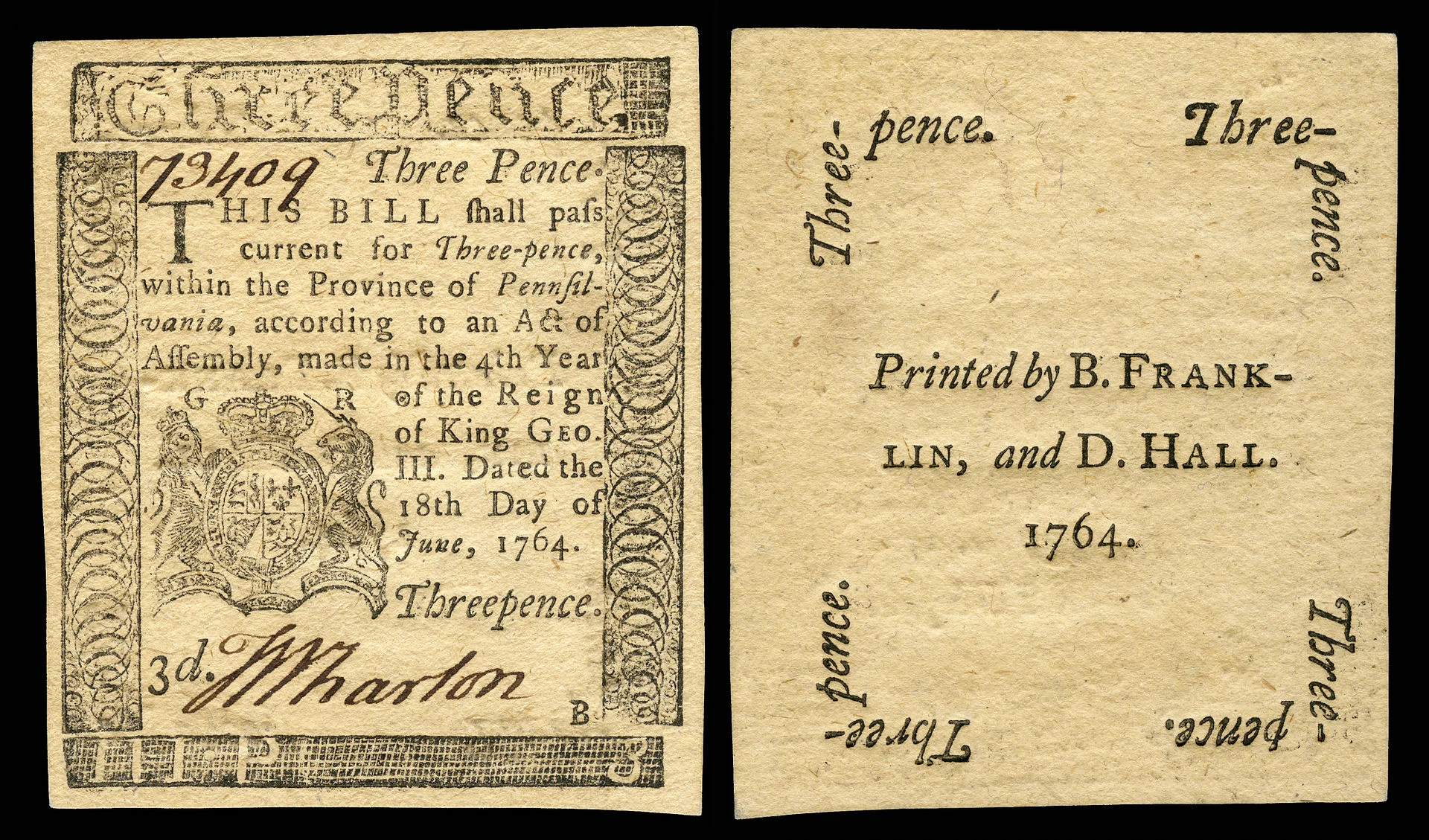
The Currency Act of 1764
This law restricted the use of colonial paper money. Parliament wanted to assert imperial controls on the economic rules in the colonies and protect British merchants and creditors, This law declared that only hard money based on the pound sterling was valid. This created an uncomfortable shortage of money for the colonists. Gold and silver tended to flow back to Britain. Banning paper money resulted in less circulating currency. The resulting inflation that was particularly hard on farmers and small merchants. This law was particularly disliked in NC. Colonists saw it as proof that Britain cared more about its pockets that their well-being.
-Pennsylvania-18_Jun_1764.jpg?format=1000w) |
| Source |

The Quartering Act of 1765
British leaders hoped to cut defense costs and assert control. They enacted this law requiring colonial governments to provide housing and supplies for British soldiers. Placing economic support of their "protectors" squarely on the backs of the colonies themselves. This economic burden fostered resentment and noncompliance as they struggled to grasp the need or meaning of supporting a standing‑army presence in peacetime.
The Stamp Act of 1765
This law enacted a direct tax on printed paper of all kinds including legal documents, newspapers, licenses, and playing cards. Britain hoped that this tax applied to common, trackable items would prove a successful way to collect revenue inside the colonies and assert parliamentary authority over internal taxes. This tax affected most colonists daily and was met with much resistance. The colonists experienced this as an unprecedented internal tax imposed from afar. It provoked mass protest as seen earlier and lead to the formation of the Sons of Liberty, a united and confrontational stance against British actions without direct representation.
The Declaratory Act of 1766
The Brits saw the repeal of the Stamp Act as an appeasement to soothe the anger of the colonists, but they wanted it crystal clear where where the power lay. London on top, colonies subordinate. This act passed the same day that the Stamp Act was repealed. Parliament wished to assert that they had the right to rule and tax the colonies "in all cases whatsoever." The colonists viewed this act with mixed emotions. The odious Stamp Act was repealed, but this new blanket act opened the door to "who knows what." They felt increasingly chafed at the lack of representation in the law making process.
The Revenue Act of 1767 put import duties on tea, glass, lead, paper, and painters’ colors, aiming to raise money to pay royal governors and judges to garner loyalty to London over the colonists interests.The Commissioners of Customs Act of 1767 created a customs Board in Boston to enforce trade laws, and fight smugglers and tax evasion.The Indemnity Act of 1767 cut taxes on the British East India Company tea to protect the company against smuggled tea and collection of duties on the cheaper tea.The New York Restraining Act of 1767 suspended New York’s assembly from passing new laws until it complied with the Quartering Act, using punishment of one colony to assert parliamentary authority over all.The Vice-Admirlaty Court Act of 1768 expanded jury-less naval courts for customs cases. It was easier to convict accused smugglers and enforce new rules, but again there was a lack of representation.
The colonists experienced the collective Townshend Acts as a renewed assault on their wallets and their political rights. The mistrust of British rule and the rebellious spirit deepened throughout the colonies.
Explore more:
https://www.americanrevolution.org/https://www.nam.ac.uk/explore/seven-years-war
https://www.battlefields.org/learn/articles/french-and-indian-war-1754-1763-causes-and-outbreak
https://www.jyfmuseums.org/learn/research-and-collections/essays/what-was-the-proclamation-of-1763
https://www.jyfmuseums.org/learn/research-and-collections/essays/what-factors-finally-pushed-the-second-continental-congress-to-declare-independence-in-july-1776
https://teachingamericanhistory.org/document/petition-from-regulators-of-north-carolina/
The following "petition concerning public fees" from the Regulators contains names of Orange County members (remember portions of Wake were in Orange County at this time).
https://docsouth.unc.edu/csr/index.php/document/csr07-0289
Comments
Post a Comment