
AKA - That time George Washington might have started the first Global War!
Let's look at the territories in the time leading up to the French and Indian War. The map below illustrates the land held by the various parties at this time. France in green, Native Americans in pink and Britian in gold.
The maps set the stage for the events and pressures of the day. In this 1755 map, the English colonists were pushing westward for more fertile farm land, the French were pushing eastward to meet the English before they could claim land that France wanted for themselves, and the Native tribes resented being pushed on both sides. They wanted desperately to hold their ground and maybe gain back a little of what they had lost. The Natives were frequently bargaining with whichever side had the upper hand. It was a volatile time for all.
 |
| Carte des possessions angloises & françoises du continent de l'Amérique Septentrionale c.1755 Source link - click to enlarge |
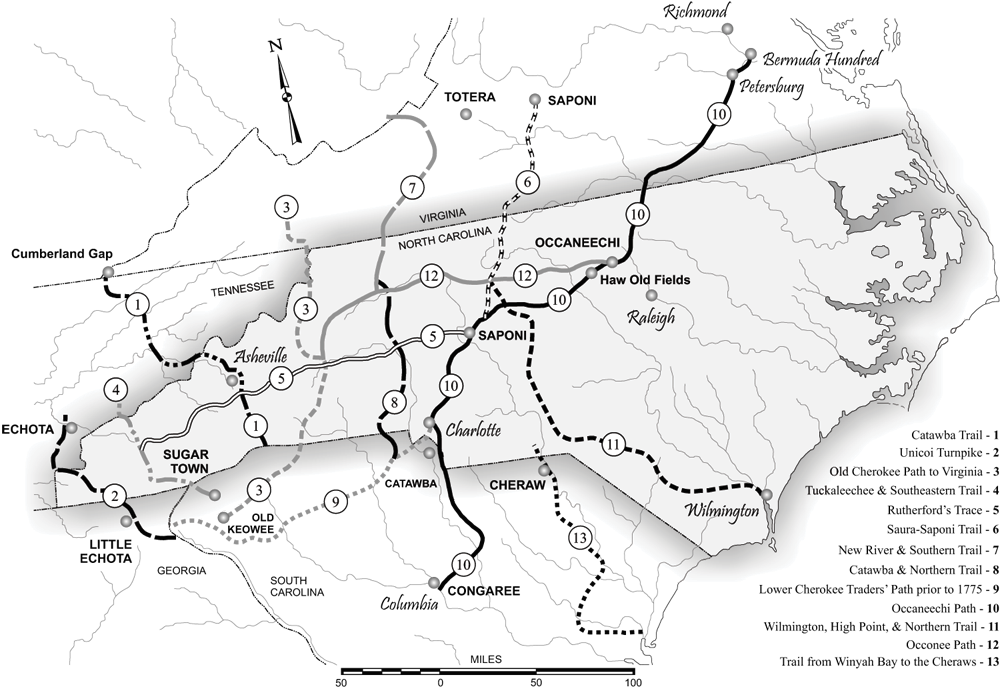 |
| Comparing this map (link) of the Native Trading Path Road through Va., NC, and SC will help you get your bearings on the 1755 map. The line that snakes from Petersburg, Va through NC into SC is this same Trading Path Road. |
“We are all Soldiers and Warriors. Some sharp words will now pass between us. We shall talk like drunken Men.”
- Chief Warrior of the Iroquois
Read the article here - When Young George Washington Started a War by Allison Shelley
As stated in the last blog post, the French and Indian War was part of a larger global conflict. The incident at Jumonville Glen was the spark that ignited the fire. For folks closer to home in NC, these actions spawned an immense rift between Natives and settlers. The frequency and intensity of Native attacks on settlers, resulted in the establishment of Fort Dodd near modern Winston-Salem. Colonists retreated eastward to Ft. Dodd and Bethabera putting strain on those populations and causing an epidemic due to overcrowding.
Comments
Post a Comment